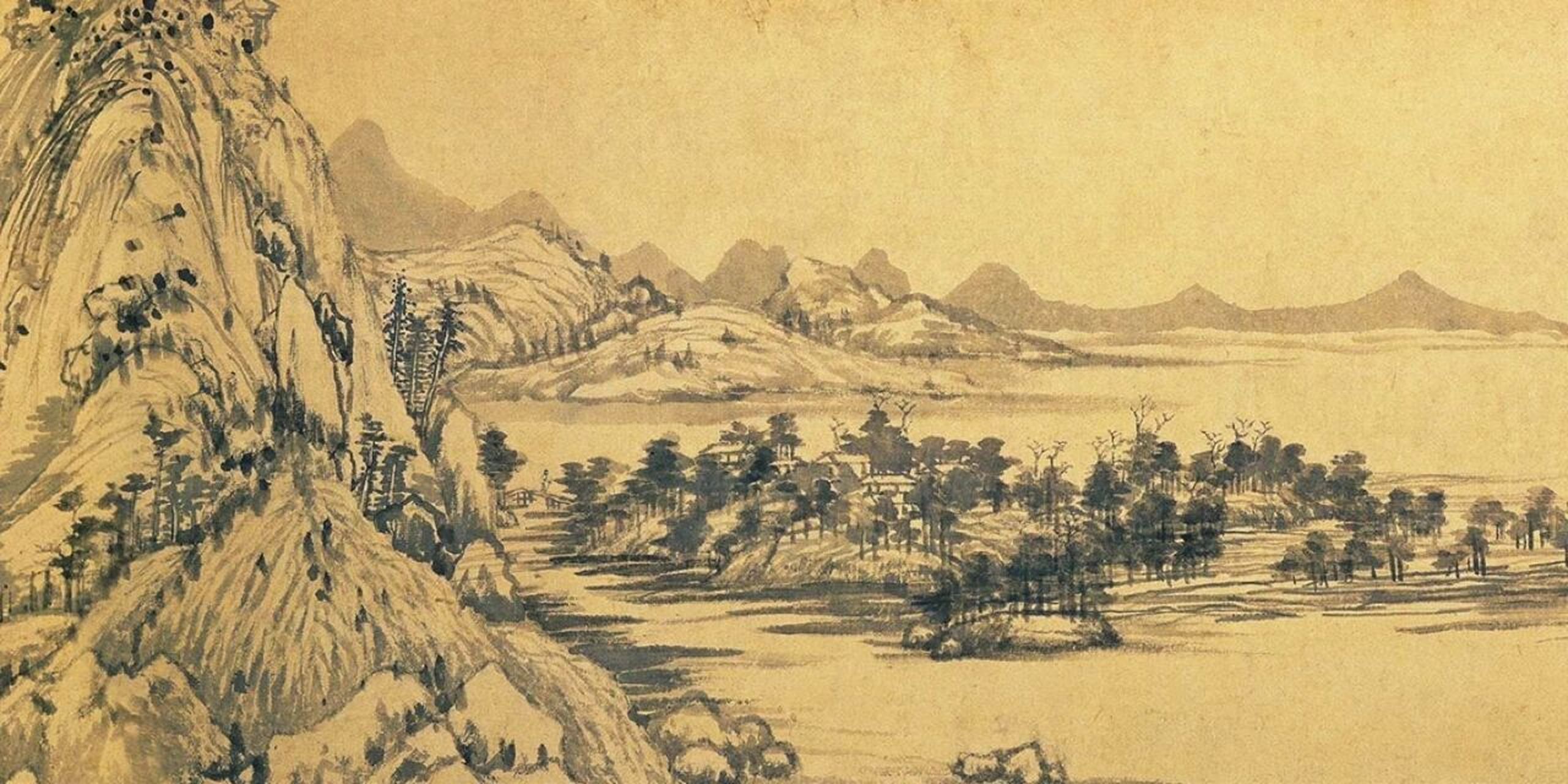
Dwelling in the Fuchun Mountains
Introduction
Dwelling in the Fuchun Mountains, or Fuchunshan Ju Tu in Chinese, is an esteemed Chinese landscape painting by the renowned artist Huang Gongwang from the Yuan Dynasty. This masterpiece, completed nearly 700 years ago, is lauded as one of the ten greatest paintings in Chinese art history. It intricately captures the serene beauty and majestic landscapes of the Fuchun Mountains, located southwest of Hangzhou along the Fuchun River. The painting embodies the natural beauty and cultural richness of this region, presenting a quintessential example of traditional Chinese landscape art.
Historical Background
Huang Gongwang, the artist behind Dwelling in the Fuchun Mountains, lived from 1269 to 1354. He was born in Changshu, present-day Jiangsu province, and experienced a tumultuous life marked by personal and professional upheavals. Orphaned at a young age, Huang initially served as a government official. However, after a period of imprisonment and subsequent disillusionment with officialdom, he returned to Changshu and devoted himself to painting in his 50s. In 1347, he moved to the Fuchun Mountains, where he spent his final years creating several landscape paintings, with "Dwelling in the Fuchun Mountains" being the most famous.
The painting's history is as eventful as its creation. In 1650, it was divided into two sections to preserve it after a fire partially damaged it. These two parts, known as The Remaining Mountain and Master Wuyong Scroll, are housed in the Zhejiang Provincial Museum in Hangzhou and the Taipei Palace Museum, respectively. Despite being separated for centuries, the two halves were temporarily reunited in 2011 at an exhibition in Taipei, a significant event in the painting's storied history.
Artistic Analysis
Composition and Style
Dwelling in the Fuchun Mountains is an exemplary work of traditional Chinese landscape painting, characterized by its intricate composition and masterful use of ink and brush techniques. Huang Gongwang employed a restrained color palette, using shades of black and gray to create a sense of depth and texture. The painting showcases the harmonious relationship between nature and man, with flowing rivers, towering mountains, and serene villages seamlessly integrated into a cohesive whole.
The composition follows the traditional Chinese painting technique of "liubai," or strategic use of empty space, to evoke feelings of balance and tranquility. This method allows for the suggestion of clouds, mist, and sky, creating an ethereal atmosphere that invites viewers to immerse themselves in the landscape. Huang's brushwork is deliberate and expressive, capturing the essence of the natural environment with a sense of spontaneity and fluidity.
Influence and Legacy
Huang Gongwang's Dwelling in the Fuchun Mountains significantly influenced subsequent generations of Chinese artists. Its masterful depiction of natural scenery and innovative composition techniques established it as a benchmark for landscape painting in Chinese art history. The painting's enduring legacy is evident in its continued inspiration for artists, scholars, and cultural enthusiasts.
In addition to its impact on traditional art, Dwelling in the Fuchun Mountains has also inspired contemporary creative works. For instance, it served as the central theme for a drama produced by the Shanghai Dramatic Arts Center, which explored the life and artistic journey of Huang Gongwang. This adaptation highlights the painting's ability to transcend time and continue to resonate with modern audiences.
Preservation and Conservation
The preservation of Dwelling in the Fuchun Mountains has been a complex endeavor due to its historical division into two parts. Each section requires meticulous conservation efforts to maintain its integrity and ensure its longevity. The Zhejiang Provincial Museum and the Taipei Palace Museum, custodians of the painting's two halves, have implemented advanced conservation techniques to protect this invaluable cultural artifact from environmental and material degradation.
Efforts to preserve the painting extend beyond physical conservation. Digital archiving and high-resolution imaging have been employed to document the painting in its entirety, providing researchers and art historians access to detailed visual records. These initiatives contribute to the broader understanding and appreciation of the painting, ensuring its continued impact on future generations.
Cultural Impact
Dwelling in the Fuchun Mountains holds a prominent place in Chinese cultural heritage and has become a symbol of artistic excellence and natural beauty. Its depiction of the Fuchun landscape not only reflects the geographical features of the region but also embodies the philosophical ideals of harmony between humanity and nature. This painting resonates with Chinese cultural values and serves as a source of national pride.
Exhibitions and Displays
Over the years, Dwelling in the Fuchun Mountains has been featured in numerous exhibitions both domestically and internationally. The 2011 exhibition at the Taipei Palace Museum, which reunited the painting's two halves for the first time in over three centuries, was a landmark event that attracted global attention and cultural enthusiasts from around the world. This exhibition served as a testament to the painting's universal appeal and its ability to bridge cultural and historical divides.
In addition to traditional exhibitions, modern interpretations of the painting have been showcased in various artistic forms, including theater productions and digital media. These adaptations offer fresh perspectives on the painting's themes, highlighting its relevance in contemporary artistic discourse.
References in Popular Culture
Dwelling in the Fuchun Mountains has permeated popular culture, inspiring filmmakers, playwrights, and artists across different media. The painting was the inspiration for Gu Xiaogang's acclaimed film Dwelling in the Fuchun Mountains (2019), which explores themes of family, identity, and the passage of time. This cinematic adaptation underscores the painting's capacity to inspire new narratives and artistic expressions.
Furthermore, the painting's influence extends to other creative endeavors, such as stage productions and visual arts. Its presence in popular culture demonstrates the enduring allure of Huang Gongwang's masterpiece and its ability to captivate audiences across diverse cultural contexts.
In summary, Dwelling in the Fuchun Mountains by Huang Gongwang stands as a pinnacle of Chinese landscape painting. Its historical significance, artistic brilliance, and cultural impact continue to enchant art enthusiasts and scholars alike, solidifying its place as a cherished treasure in the annals of art history.








